
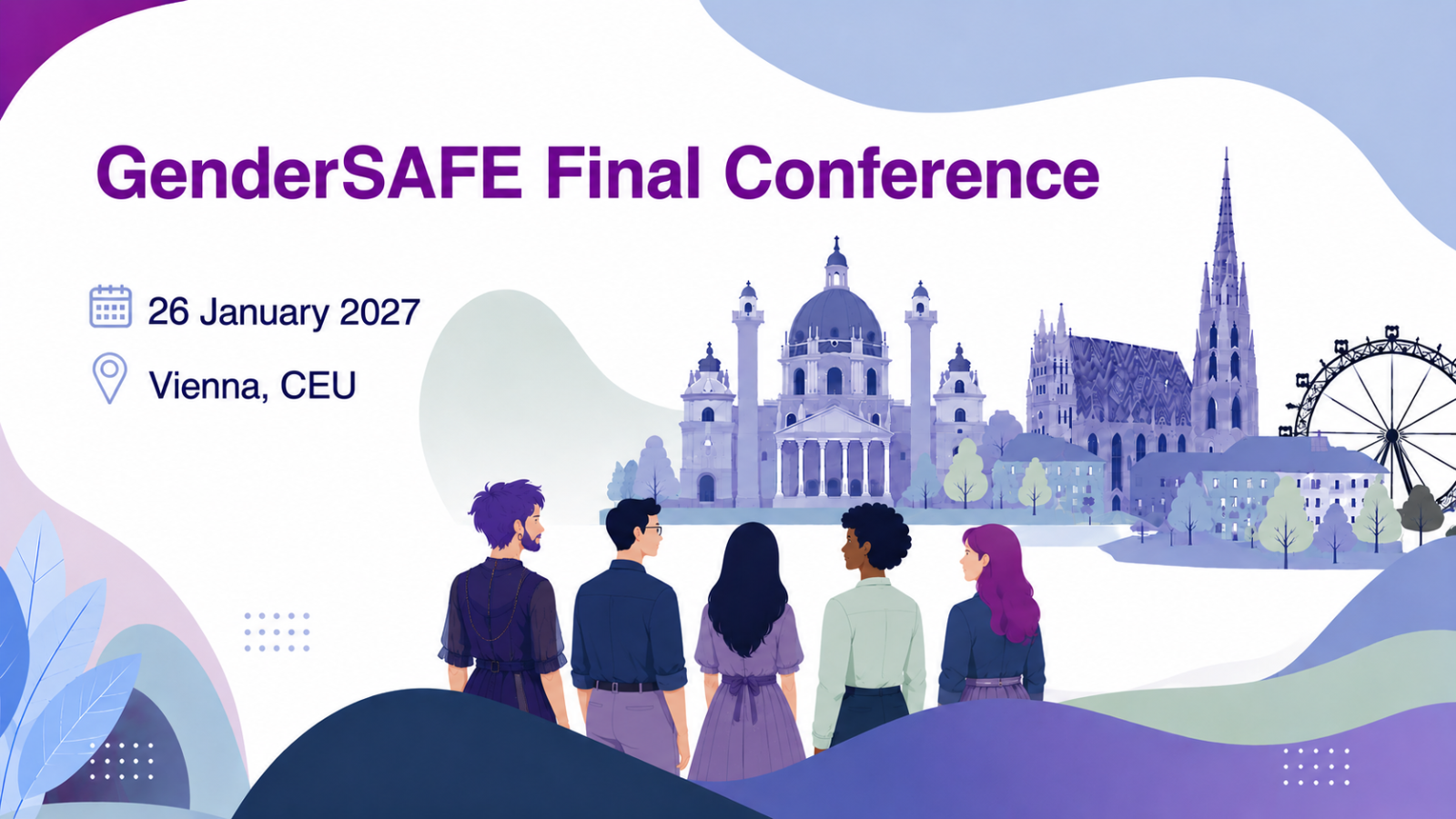
Time to Act: Institutional Pathways
to Ending Gender-Based Violence in Academia
Across Europe, a growing number of higher education and research organisations are redefining what safe and inclusive academic environments should look like. Yet gender-based violence continues to affect students, researchers, and staff, reminding us that change, while underway, must accelerate and become systemic.
The final conference of the GenderSAFE project is a call to action. Bringing together stakeholders from across the European Research Area, it creates a space to share experiences, spark ideas, and strengthen the collective resolve to prevent and address gender-based violence in higher education and research.
Read more →
Read less ↑
Across Europe, a growing number of higher education and research organisations are redefining what safe and inclusive academic environments should look like. Yet gender-based violence continues to affect students, researchers, and staff, reminding us that change, while underway, must accelerate and become systemic.
The final conference of the GenderSAFE project is a call to action. Bringing together stakeholders from across the European Research Area, it creates a space to share experiences, spark ideas, and strengthen the collective resolve to prevent and address gender-based violence in higher education and research.
At the heart of the conference is a simple but powerful message: every institution must act. Whether at an early stage or already advancing comprehensive strategies, all higher education and research organisations have a role to play in driving change. Through inspiring keynote insights and dynamic panel discussions, participants will discover practices that work, hear from those who have led change in challenging contexts, and explore how to adapt these approaches to their own realities.
The programme will openly address the challenges institutions face, from resistance and limited resources to gaps in policy implementation, while highlighting practical ways to overcome them. It will also showcase tangible tools developed by GenderSAFE, including trainings and materials in multiple languages, a tool for institutions to self-assess their policy, and a model policy framework, co-designed with the project’s community of practice, to turn intention into action.
More than a moment of reflection, this conference is a catalyst for continued progress. By fostering dialogue, peer learning, and a shared sense of responsibility, it aims to empower participants to take concrete next steps - no matter how small - towards safer and more inclusive academic environments.
Programme
| 08:45 – 09:15 | Registration and welcome coffee | ||||||||||||||||||||||||
| 09:15 – 09:40 |
Opening remarks
|
Speakers
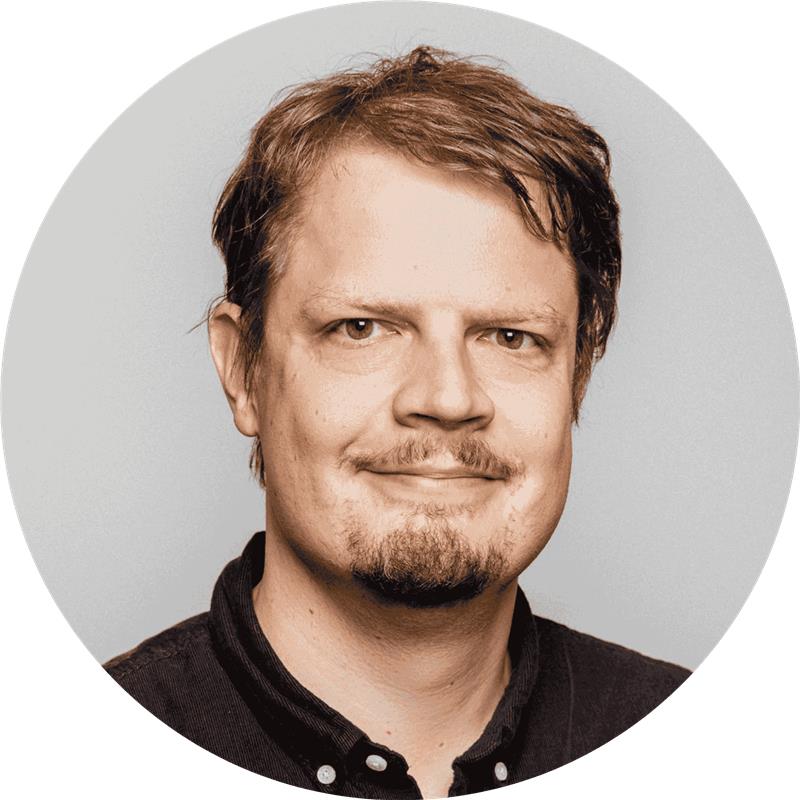
Dr. Antti Tahvanainen
Science Officer, European Science Foundation, France
Dr. Antti Tahvanainen (he/him) is a Science Officer at the European Science Foundation (ESF), where he focuses on EU-funded project coordination and provides expert support for ESF activities in the areas of ethics, compliance, data protection, and research governance.
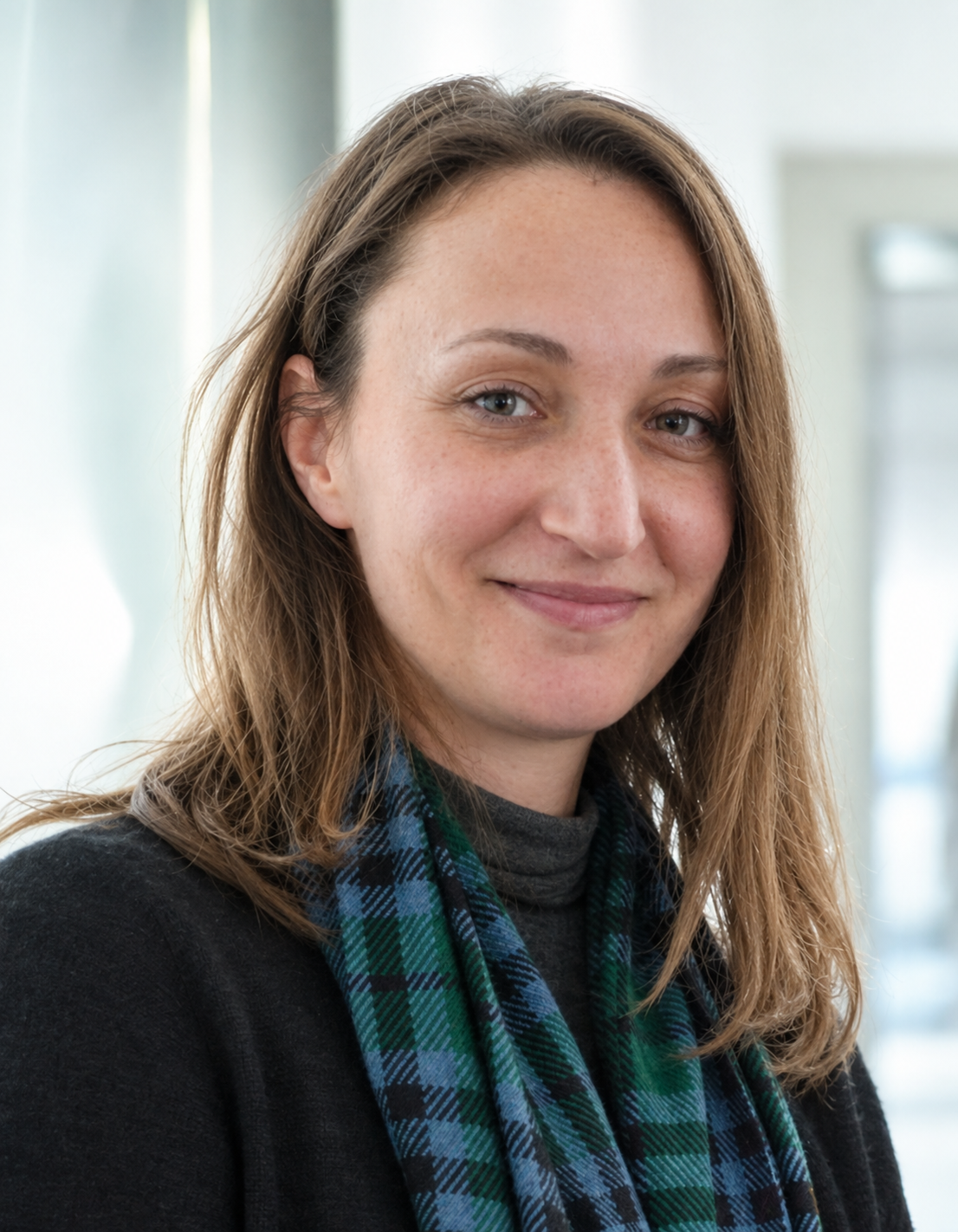
Hana Tenglerová
Policy Officer, DG RTD, European Commission
Hana Tenglerová (she/her) is a member of the Gender Sector team, where she works primarily on European Research Area-related files. She has more than 20 years of experience in advancing gender equality in R&I, working on policy development and implementation at European and national levels.
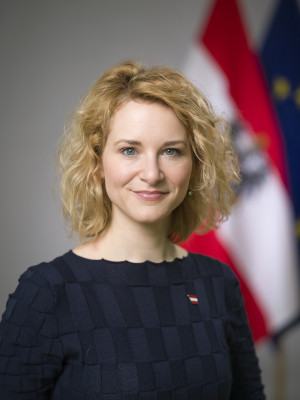
Eva-Maria Holzleitner
Federal Minister for Women, Science and Research, Austria
Eva-Maria Holzleitner shapes equality and science policy as Federal Minister for Women, Science and Research. She focuses on fair pay, women’s safety, strong higher education and freedom of science and research, drawing on experience in parliament and social economics.
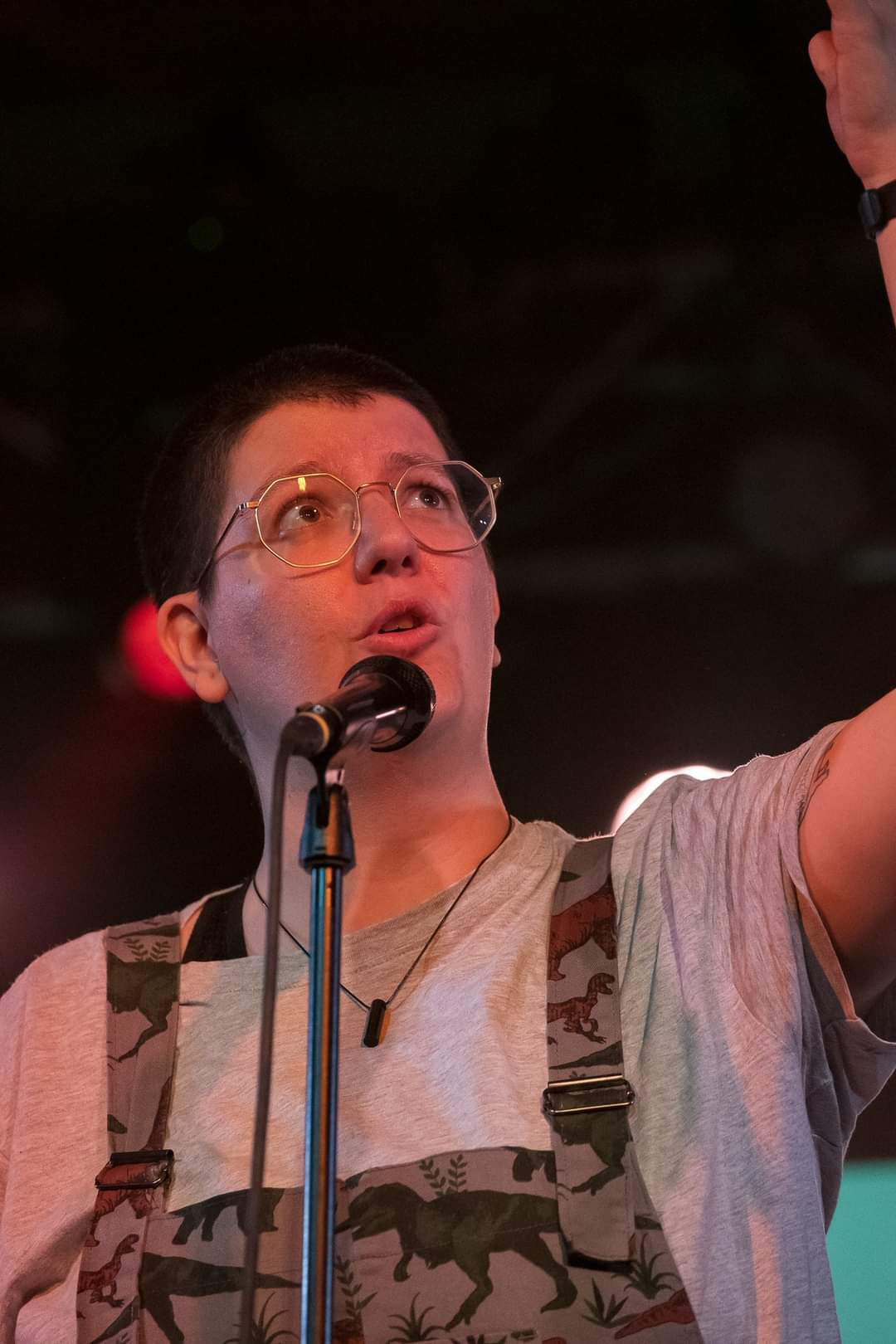
Tilke Wouters
Slam poet and DEI&B consultant
Tilke Wouters is a spoken-word artist who has been performing on local and international stages for 13 years.
Their texts reflect their inner world, how it relates to society and the harsh political climate. As some slam poetry highlights: in 2024, Tilke represented Belgium at the European Slam Poetry Championship in Slovakia and the World Championship in Togo.
Besides being a slam poet, Tilke is also a DEI&B consultant. They worked with and for underrepresented groups in non-profit organizations, local governments and more.
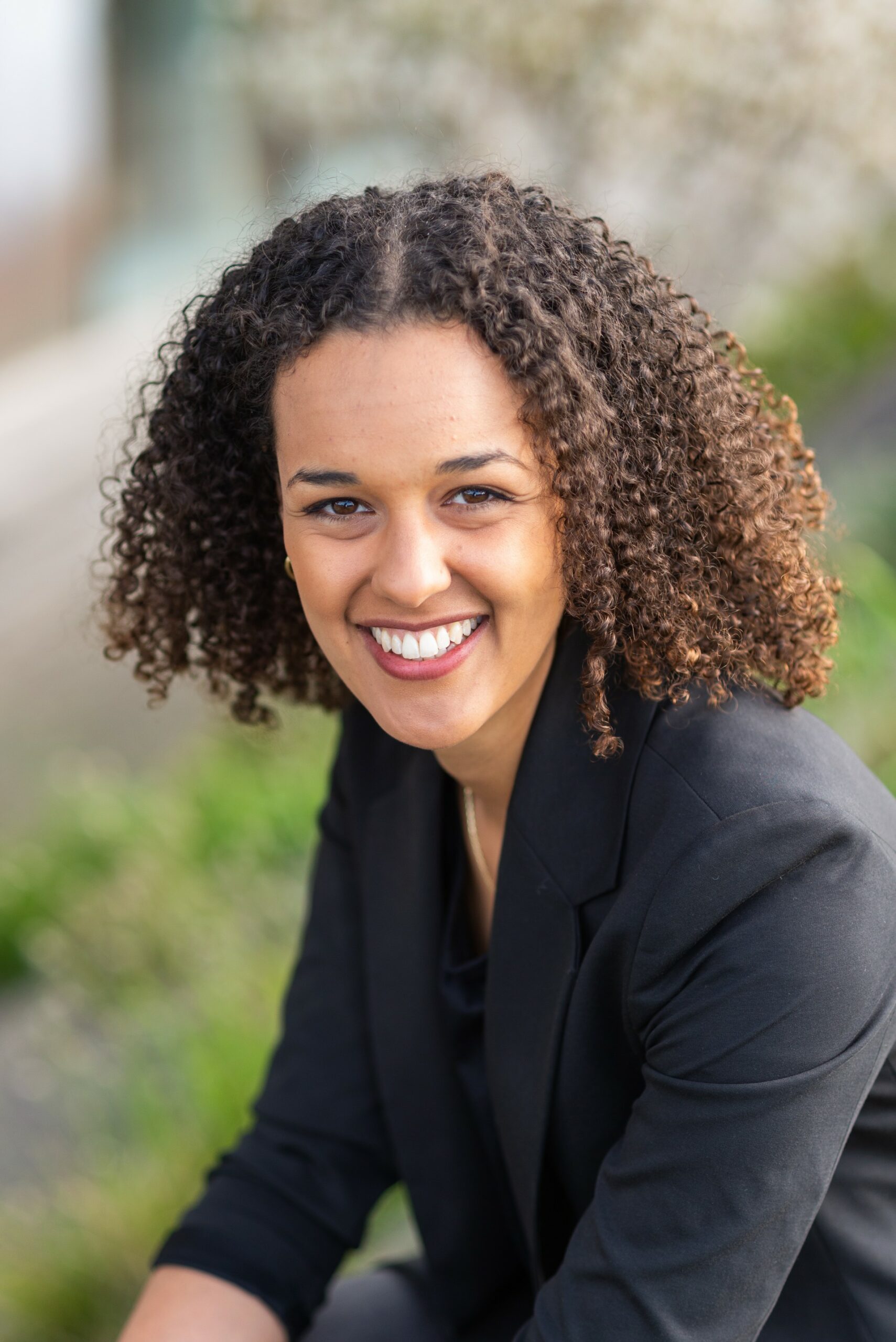
Dr. Bontu Lucie Guschke
Consultant, workshop facilitator, trainer, speaker and researcher
Dr. Bontu Lucie Guschke (she/her) supports and guides organizations, teams, and leaders in their diversity and anti-discrimination work as a consultant, workshop facilitator, trainer, speaker, and researcher. Her work is grounded in intersectional feminist approaches and focuses on anti-racism, gender equality, and LGBTQIA+ inclusion.
Her approach aims to create tangible change through intersectional, participatory, and research-based consulting.

Dean O'Reilly
Equality, Diversity and Inclusion & Sexual Violence Manager, National College of Art & Design, Dublin
Dean O'Reilly (he/him) is the Equality, Diversity and Inclusion & Sexual Violence Manager at the National College of Art & Design, Dublin. Dean has a decade of EDI experience with previous places of work including Dublin City University and University of Manchester.
At NCAD, Dean is responsible for the implementation of the Irish Ending Sexual Violence/Harassment Framework including training, policy, and case management. He has led a project to develop an intersectional assessment tool for sexual violence / harassment policies alongside an expert group.
Dean is currently a doctoral researcher in DCU's School of Psychology with a focus on sexual consent education in Higher Education.
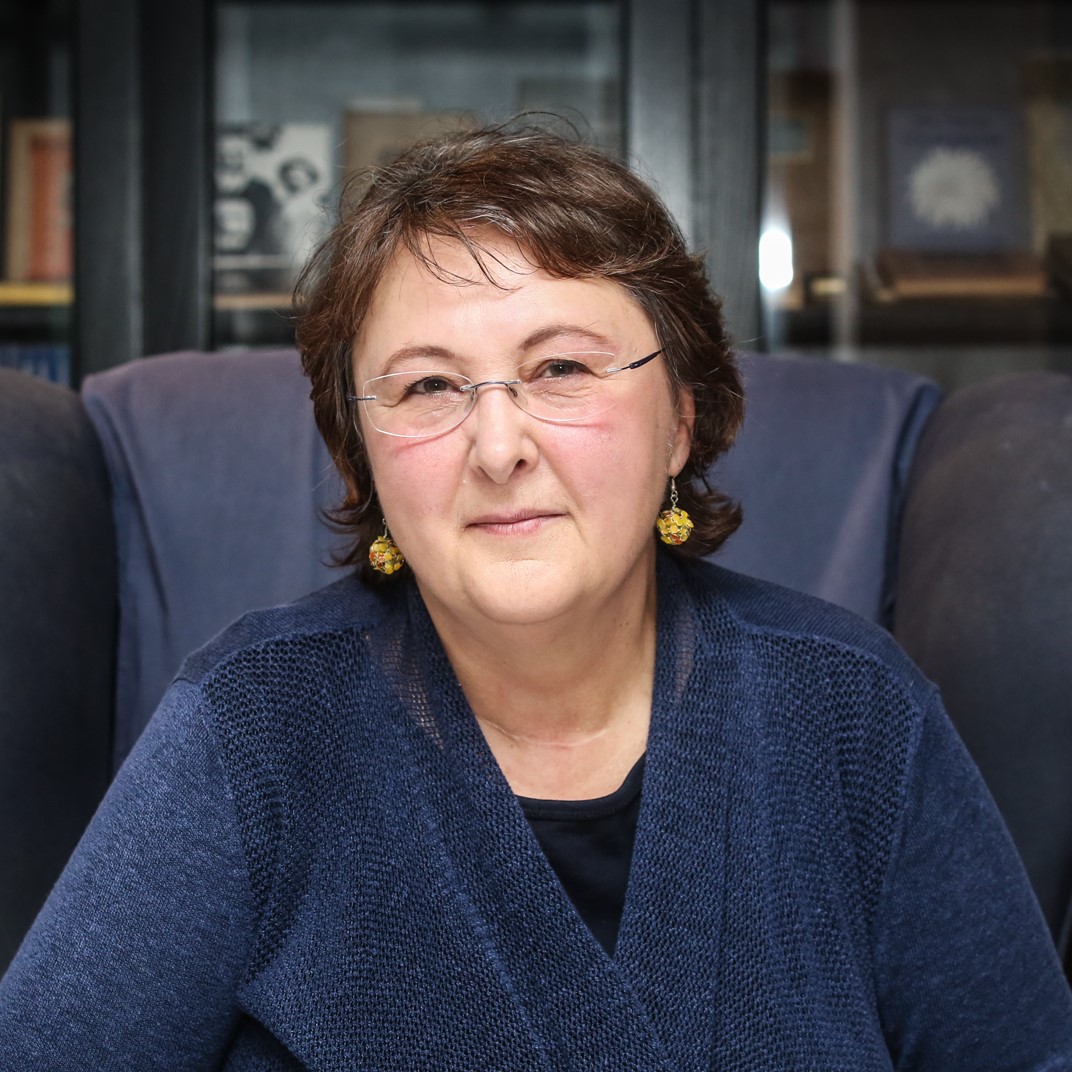
Dr. Vesna Leskošek
Professor Emerita, University of Ljubljana, Slovenia
Dr. Vesna Leskošek (she/her), prof. Emerita was a full professor at the University of Ljubljana. She taught courses on gender and violence, care regimes, social movements, and women and the welfare state.
Her main research interests were poverty, social inequality, gender, and violence, and her recent research focused on the poverty of women in later life.
She was chair of the working group for making and implementing the Gender Equality Plan and chair of the working group for preparing the Rules on Measures Against Violence, Harassment and Bullying at the University of Ljubljana.
Dr. Jan Gałkowski
Sociologist and ethicist, University of Rzeszów, Poland
Dr. Jan Gałkowski (he/him) is a sociologist and ethicist from the University of Rzeszów, Poland. In 2022–2024, he served as the inaugural Academic Ombudsperson at the University of Rzeszów and, since 2025, has served in ombuds roles beyond his home university.
He is a member of the International Ombuds Association (IOA) and the European Network of Ombudsmen in Higher Education (ENOHE).
He is also co-founder and vice-president of the Academic Network for Equality and Security (ASBiR) and vice-chair of the Working Group on Equality and Combating Undesirable Phenomena in the Academic Environment (Ministry of Science and Higher Education, Poland).
Practical information
Information pack
Find practical information about the venue and your visit to Vienna in the information pack below.
Travel grants
We are committed to making this conference as accessible and inclusive as possible and therefore aim to provide a limited number of travel grants, subject to the available budget. Participants requiring financial support are invited to submit a short statement outlining their need and the estimated costs for which support is requested.
Assessment will consider financial need, career stage, barriers to participation, regional diversity, and the relevance of the conference to the applicant's work. To ensure the equitable distribution of the limited funds, priority may be given to students, persons with disabilities, participants from Central and Eastern European countries, especially those established in Widening Countries, and researchers who would otherwise be unable to attend.
To avoid any risk of double funding, applicants must disclose any other sources of support received or requested for the same travel or subsistence costs, including funding available through Horizon Europe or other projects. Travel grants will only cover costs that are not reimbursed from another source.
All travel grant requests must be submitted by 31 October. Applicants will be notified of the outcome shortly after the review process, with decisions expected in early November.